
Turkish Bath in Sultanahmet: A Guide to Kösem Sultan Hammam
How the Turkish bath ritual works step by step, and what to expect at Kösem Sultan Hammam, the traditional hamam, sauna and steam room inside Byzantium Hotel in Sultanahmet.

After a full day of walking Sultanahmet's cobbled streets, queueing at museum entrances and navigating the crowds of the Grand Bazaar, your body asks for one thing: to lie down on warm marble. Istanbul solved that need centuries ago, and the solution has a name — the Turkish bath, or hamam. In this city a hamam is never just a place to wash. It is a ritual that combines heat, cleansing, conversation and rest.
Guests staying at Byzantium Hotel do not even need to leave the building to experience it. Kösem Sultan Hammam, located inside the hotel, offers the traditional Turkish bath together with a sauna and a steam room in a single spa area. This guide explains what a Turkish bath actually is, how the ritual unfolds step by step, what to bring and what to avoid, and how to fit a hamam session into your Sultanahmet itinerary.
What Is a Turkish Bath? A Living Tradition in Sultanahmet
The Turkish bath descends from Roman and Byzantine thermae, and took on its distinctive architecture and social function during the Ottoman period. At the centre of every classical hamam lies the göbek taşı, a large marble platform heated from below. Daylight filters through small glass openings in the domed ceiling, known as elephant eyes, and mixes with the steam to create the dim, calm atmosphere that hamams are famous for.
In Ottoman Istanbul, the hamam was the social centre of the neighbourhood. People came not only to wash but to talk, to rest and to hold ceremonies such as the bridal bath. Many of the historic bath buildings still standing in the Old City show how closely daily life here was tied to water and steam. Walking through Sultanahmet you pass several of them without noticing, yet each one belongs to the district's long culture of rest.
The modern hamam experience follows the same logic: heat first, then sweating, then scrubbing and foam, and finally rest. The order never changes because each stage prepares the next. The purpose of a hamam is not to clean you quickly. It is to slow you down.
Kösem Sultan Hammam: A Traditional Bath Inside Byzantium Hotel
Kösem Sultan Hammam operates within Byzantium Hotel itself. On a short trip to Istanbul that is a genuine advantage: after a day spent walking between Hagia Sophia, the Blue Mosque and Topkapi Palace, you do not have to find a taxi or rearrange your plans to make an appointment somewhere across town. You take the lift and walk a few steps.
The spa area is not limited to the bath. A sauna and a steam room sit on the same floor, alongside treatment and relaxation sections. Guests who book directly through the hotel's official website receive complimentary access to the spa — a detail worth remembering when you decide which channel to book through. For a fuller picture of the hotel's facilities and location, see our introduction to Byzantium Hotel Sultanahmet.
Having the bath inside the hotel also brings flexibility. Independent historic hamams in the city often involve waiting at peak hours; in a hotel spa you simply go down whenever it suits your day.
The Hamam Ritual Step by Step: Heat, Scrub and Foam Massage
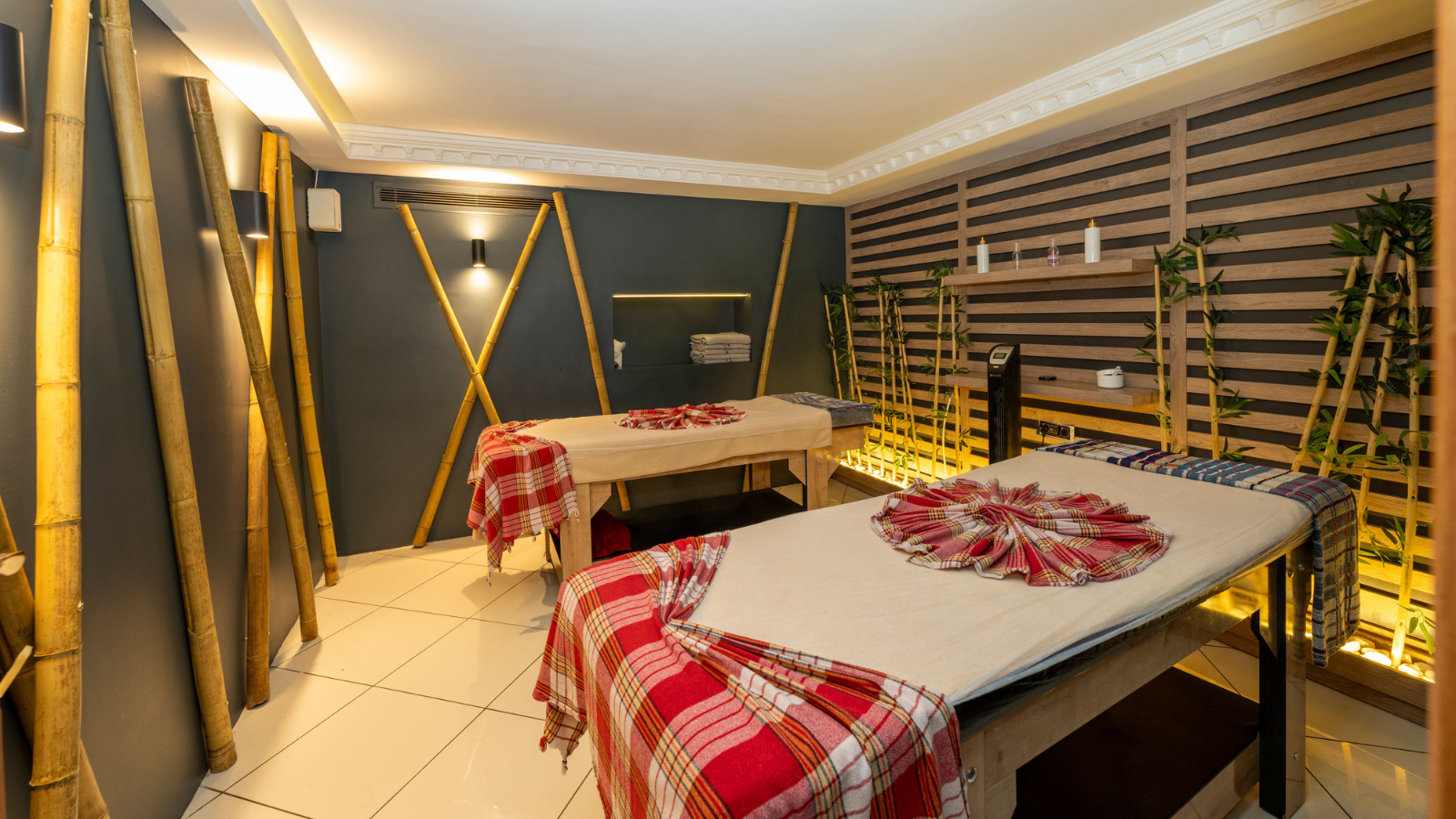
1. Warming up. The first thing to do when you enter is nothing at all. You lie on the warm marble and let your body adjust to the heat for fifteen to twenty minutes. Pores open and sweating begins. Rushing this stage reduces the benefit of everything that follows.
2. The scrub (kese). Once you are warm, an attendant exfoliates your skin with a coarse mitt. The scrub removes dead skin and leaves the body noticeably smoother. First-timers are sometimes surprised by the pressure; if it feels uncomfortable, simply ask for a gentler touch.
3. Foam massage. After the scrub, olive-oil soap is worked into a thick foam inside a cloth bag and poured over you. This is the most enjoyable stage of the ritual: it softens the skin and releases tension from the muscles.
4. Rinsing and cooling. Finally you are rinsed with water that moves gradually from warm to cool. That controlled drop in body temperature is the real source of the lightness people describe after a hamam.
The full ritual usually takes between forty-five minutes and an hour, longer if you add a massage. If your sightseeing schedule is dense, place the hamam at the end of the day — the walking routes in our guide to how to spend two days in Sultanahmet are demanding.
Sauna and Steam Room: Two Stops That Complete the Bath
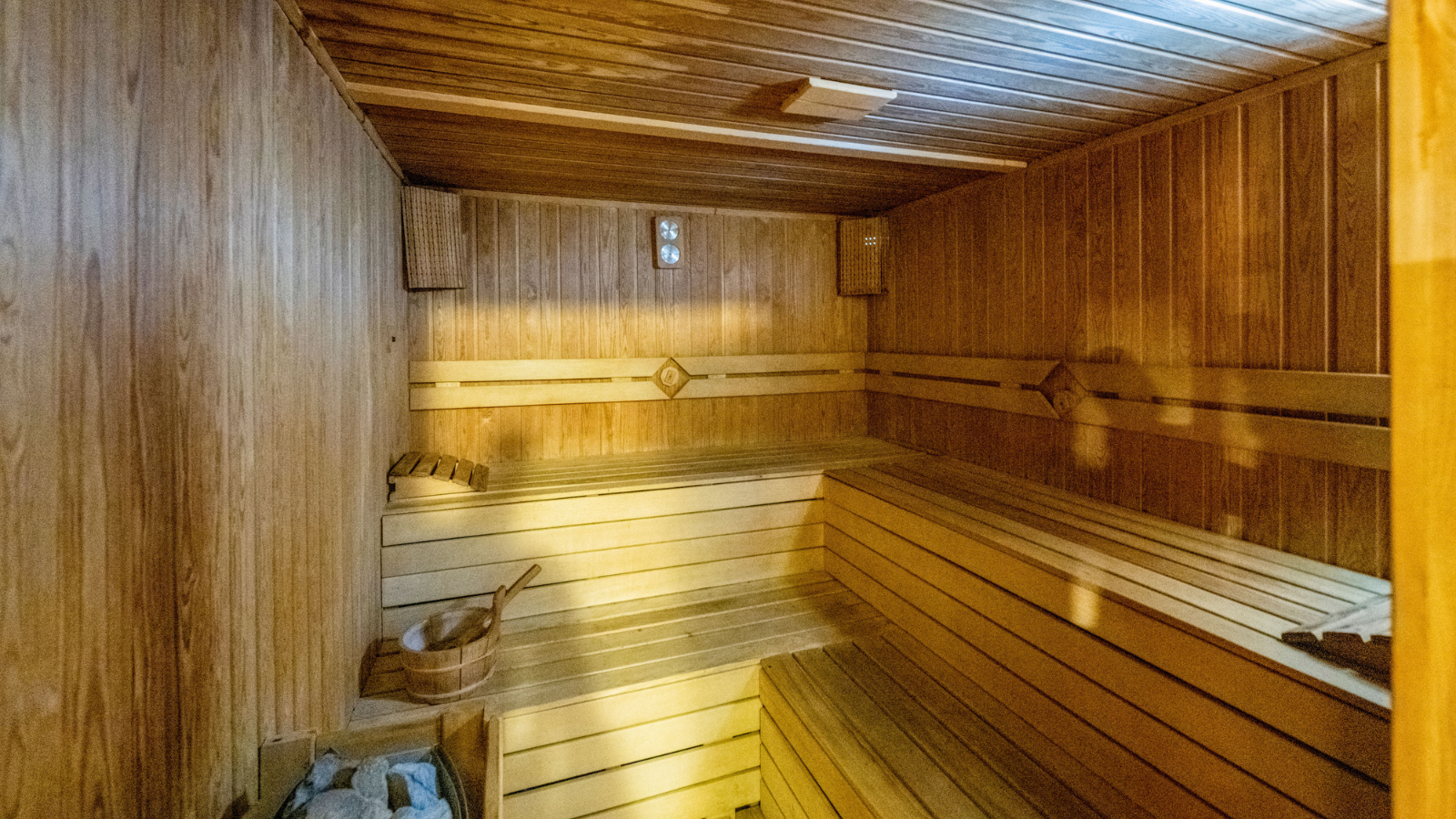
The hamam, sauna and steam room are complements rather than alternatives. The sauna works with dry, high heat: it loosens muscles and speeds up sweating. The steam room works with high humidity and is particularly welcome after long hours outdoors in cold weather. The Turkish bath sits between the two — moderate heat, high humidity — which is why it is the one you can stay in longest.
A practical sequence: warm up in the sauna for a few minutes, sweat properly in the hamam, have your scrub and foam massage there, then finish with a short session in the steam room. Drink water between stages. Staying longer than ten to fifteen minutes at a time in the sauna or steam room is not advisable, especially for anyone sensitive to blood-pressure changes.
From November through March this combination becomes almost essential after a windy day in the Old City. In July and August, going down to the spa during the hottest hours of the day, roughly between one and four in the afternoon, is a smart way to cool off and avoid the crowds at the same time.
After the Bath: The Relaxation Area and a Glass of Tea
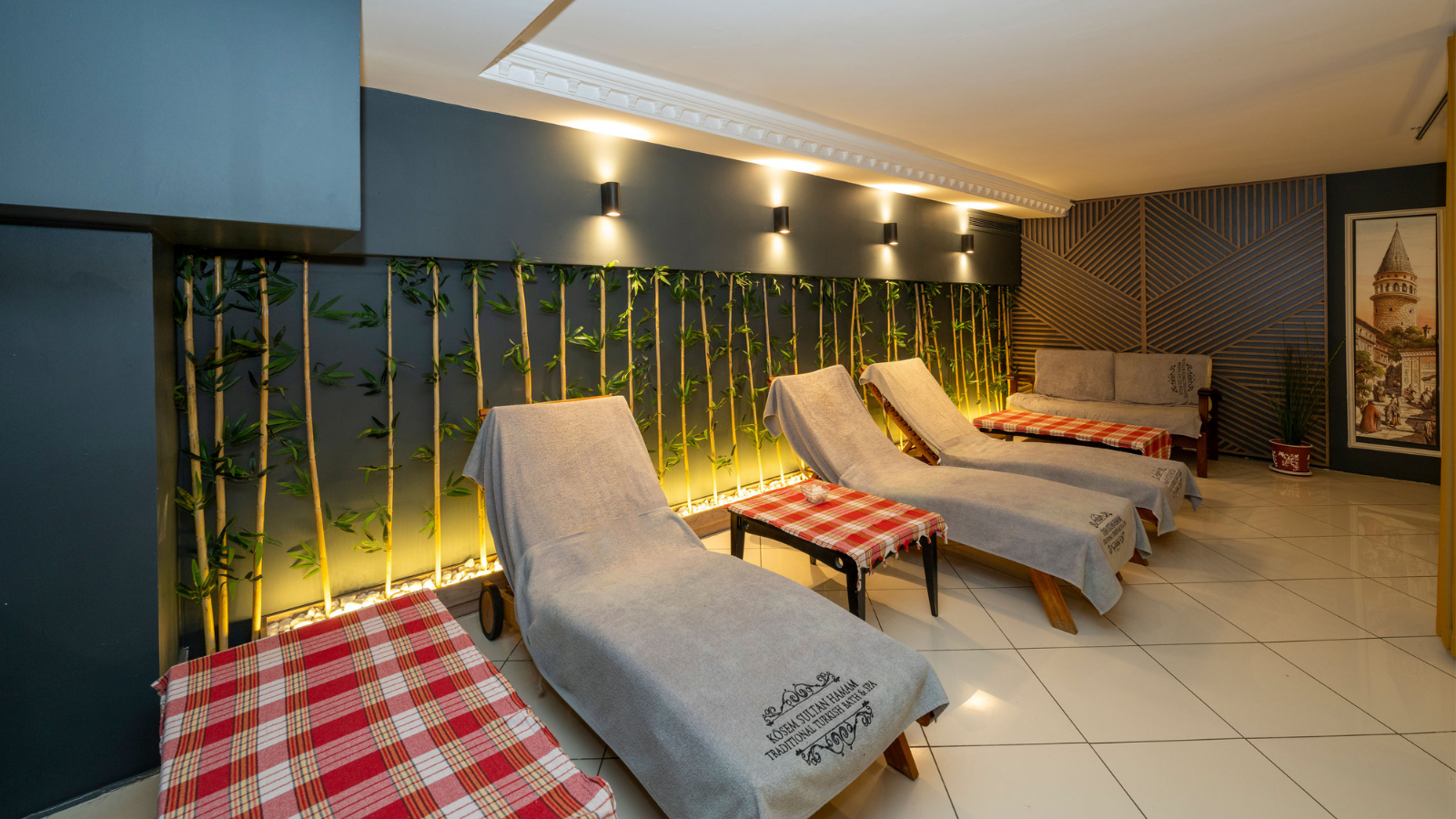
The stage most often skipped is the rest at the end. Regular hamam-goers will tell you this is where the real effect appears. Wrapping yourself in a towel and lying on a lounger lets your body temperature fall at its own pace. Getting dressed and stepping straight outside increases the risk of catching a chill and wastes the relaxed state you have just earned.
Water, ayran or the classic tulip-shaped glass of Turkish tea belong to this stage. Twenty to thirty minutes of rest will make your evening noticeably more comfortable. If the next day takes you around Hagia Sophia and the Basilica Cistern, our comparison of the best hotels near Hagia Sophia and the Basilica Cistern may help you plan the route.
Before You Go: Practical Notes and Hamam Etiquette
What to bring. Hotel spas normally provide towels, slippers and a peştamal wrap, so you only need swimwear. In mixed-use spa areas, wearing a swimsuit is standard practice.
When not to go. Avoid the bath immediately after a heavy meal, after drinking alcohol, or if you have a fever. Anyone with cardiovascular conditions, high blood pressure or a pregnancy should consult a doctor first.
Duration and hydration. Keep the total spa session around an hour and drink water before, during and after. You lose more fluid through sweating than you expect.
Skin care. Skin stays sensitive for a while after the scrub. Avoid waxing, shaving or strong sun exposure on the same day, and apply a moisturiser afterwards.
Valuables. Leave watches, rings and jewellery in your room. Heat and humidity can damage certain metals and leather straps.
When Is the Best Time for a Hamam?
A morning bath loosens the muscles and gives you an energetic start if you plan to walk all day, though in summer an evening session is wiser because freshly scrubbed skin should not spend hours in strong sun. An evening hamam deepens sleep noticeably, which makes it one of the best first-night remedies for guests arriving in Istanbul after a long flight and struggling with jet lag.
The season matters too. Between November and March a hamam becomes an almost obligatory pause. In midsummer it doubles as an escape from the heat. If this is your first visit to the city, the practical suggestions in our first time in Istanbul guide pair well with this schedule.
Fitting the Hamam Into Your Sultanahmet Itinerary
In a classic three-day Sultanahmet plan, the best slot for the bath is the evening of the second day. The first day usually covers Hagia Sophia, the Blue Mosque and the Basilica Cistern; by the second, with Topkapi Palace and the Grand Bazaar added, the walking distance rises sharply. A hamam that evening makes the third day far more productive.
If you only have two days, take the bath on the first evening so that you start the second refreshed. To review the district's layout, transport links and main sights, see our Istanbul Sultanahmet travel guide.
Frequently Asked Questions
It is my first hamam and I do not know the procedure. Is that a problem?
Not at all. The attendants guide you through each stage and tell you where to lie down. All you need to do is take your time and speak up if something feels uncomfortable.
What do you wear in a Turkish bath?
In mixed hotel spa areas guests wear swimwear with a peştamal wrap over it. Towels and wraps are supplied by the facility.
Does the scrub hurt?
It does not hurt, but you feel clear pressure. If your skin is sensitive, ask the attendant for a gentler application.
Can children use the hamam?
High heat and humidity are not suitable for small children. For families, the simplest approach is for adults to use the spa in turns.
Can I keep sightseeing after a hamam?
You can, but your pace will drop because your body is relaxed. That is precisely why the bath works best at the end of a day of sightseeing.
Conclusion
A Turkish bath is one of the most authentic experiences Istanbul offers and the most natural way to close a demanding day in Sultanahmet. Because Kösem Sultan Hammam sits inside Byzantium Hotel, adding it to your plans could hardly be simpler: when you return in the evening, the ritual waits a few steps away. Follow the sequence — warm up, scrub, foam, rest — drink plenty of water and resist the urge to hurry, and you will leave the bath with enough energy to walk Istanbul all over again.
Related Posts
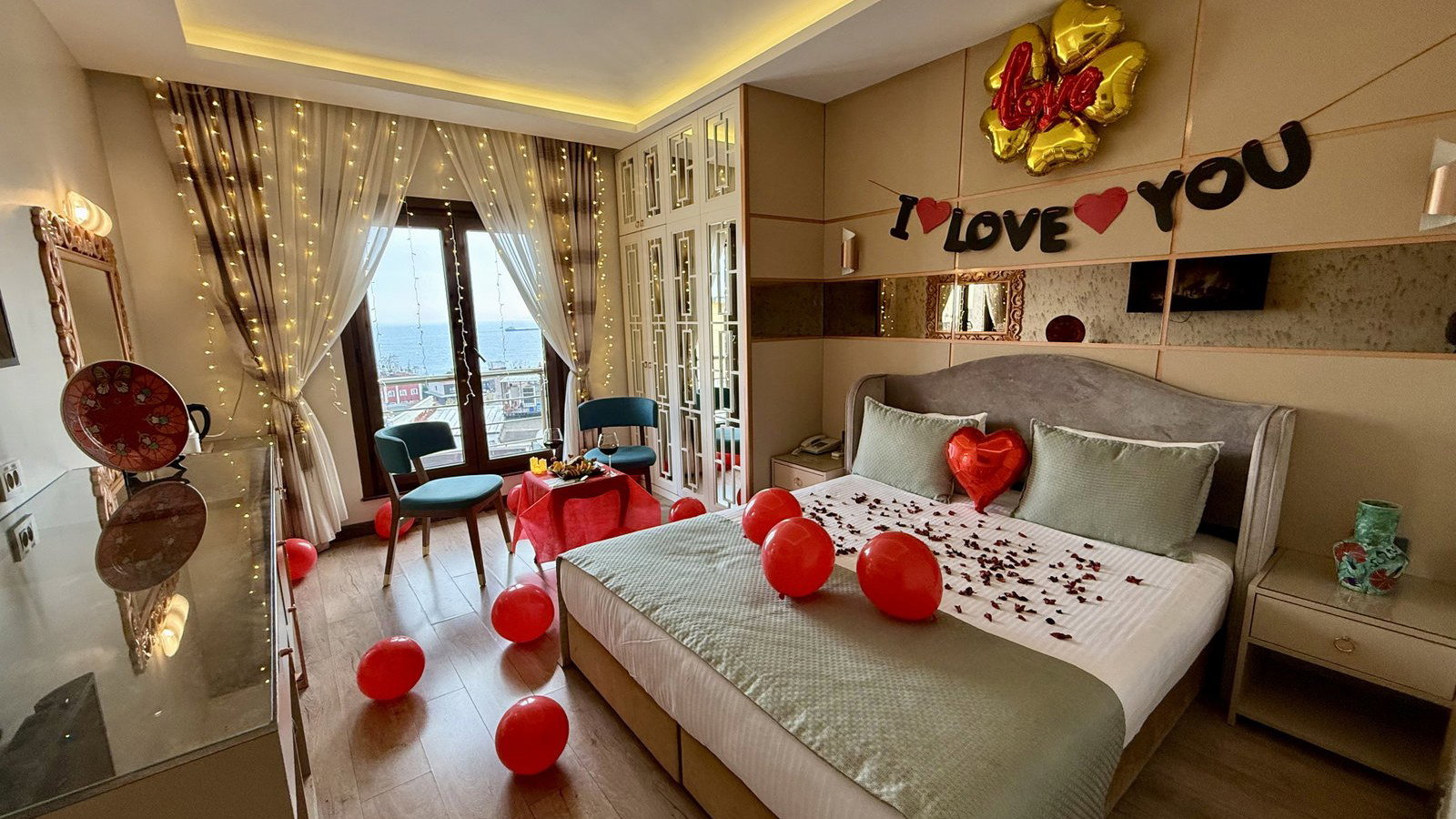

Erleben Sie zeitlose Eleganz in Sultanahmet
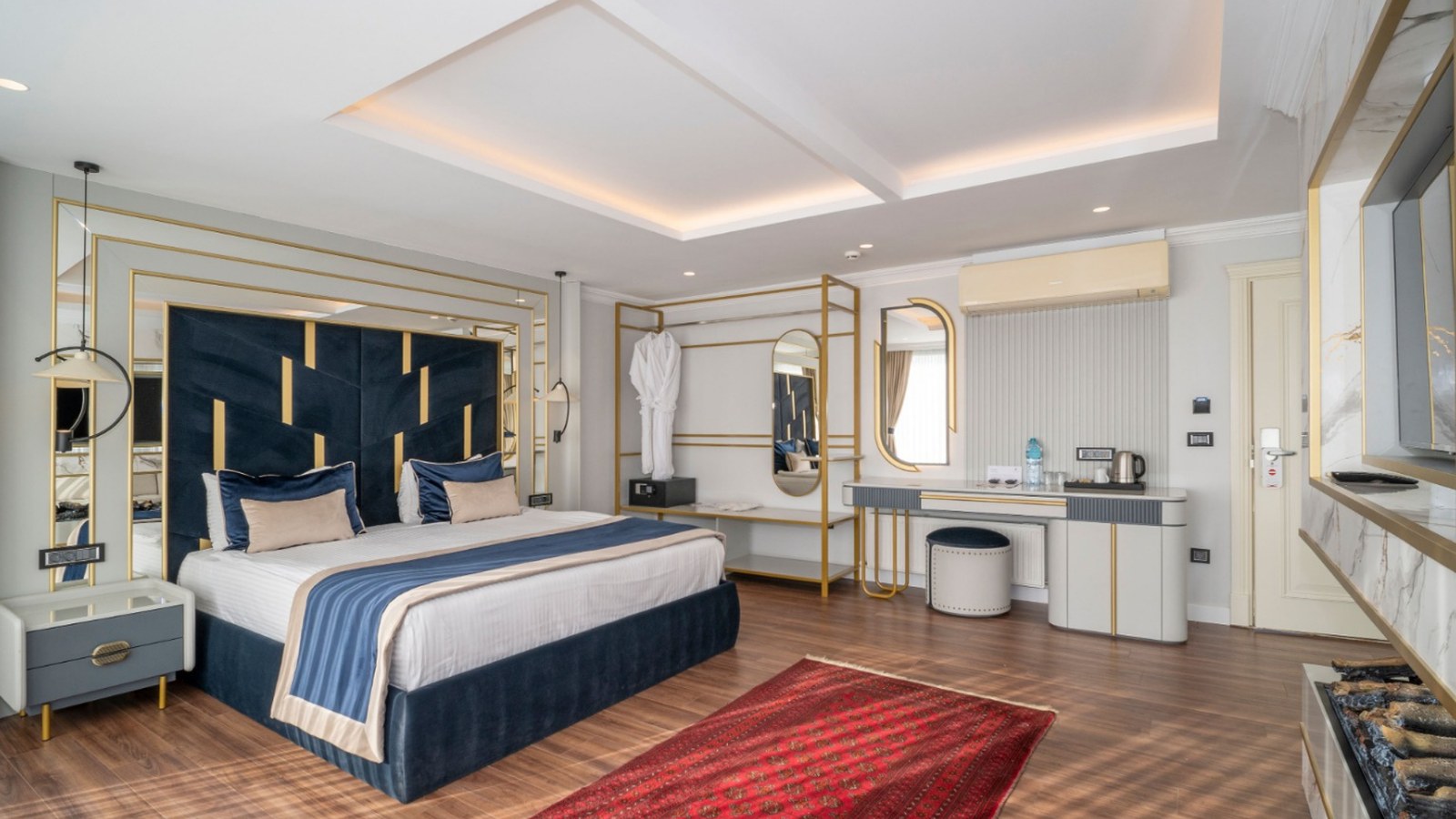
Übernachten Sie im The Byzantium Hotel & Suites, nur wenige Schritte von der Hagia Sophia, der Blauen Moschee und dem Topkapi-Palast entfernt. Entdecken Sie Komfort, Luxus und den authentischen Charme Istanbuls.