
Topkapi Palace History Architecture and Imperial Legacy
Topkapi Palace remains one of the most powerful historical sites in Istanbul. It tells the story of empire, power, diplomacy, and culture across centuries.
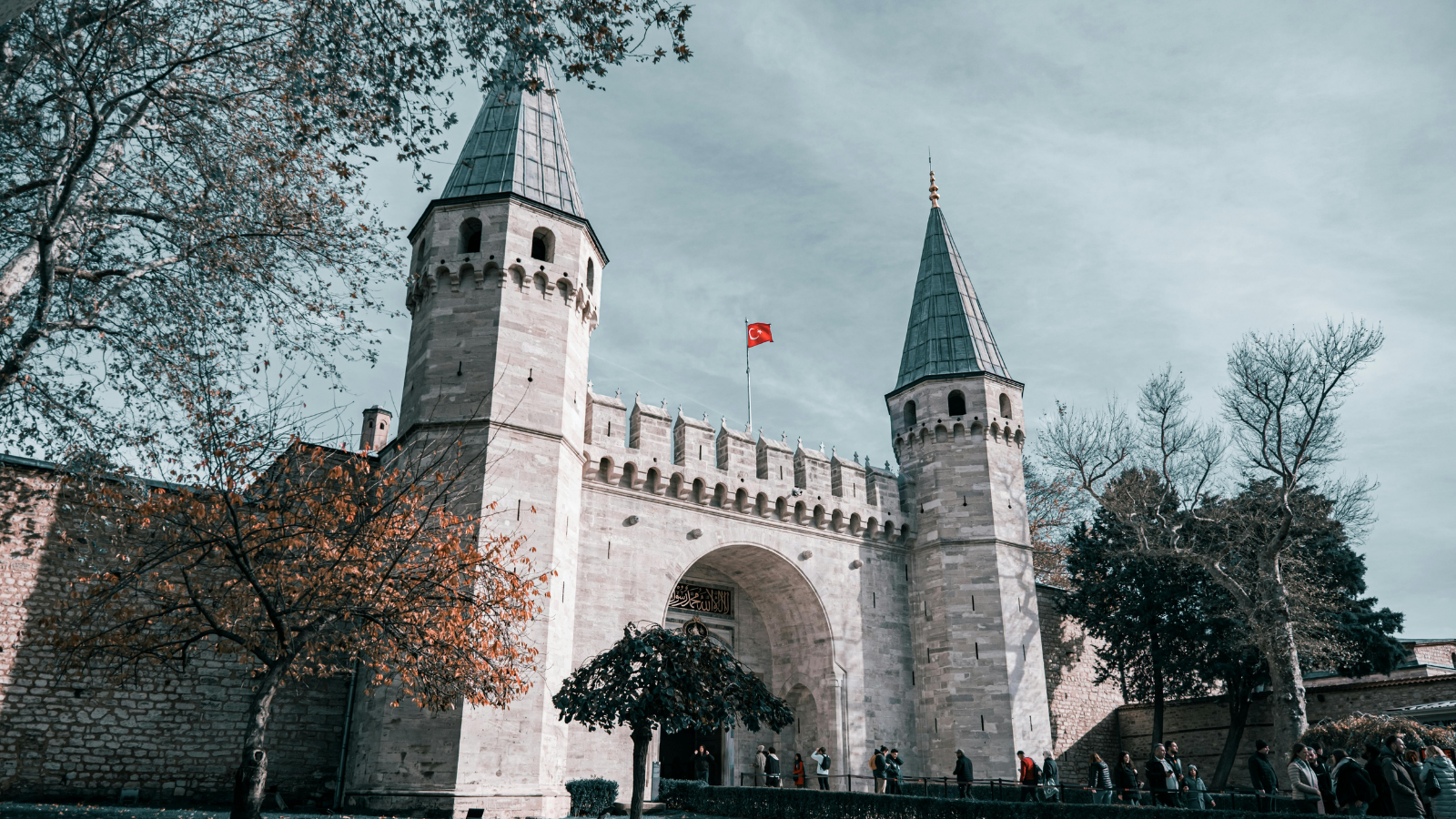
Topkapi Palace is one of the most important historical landmarks in Istanbul and one of the most influential royal complexes in world history. For nearly four centuries, Topkapi Palace served as the administrative center and royal residence of the Ottoman sultans. More than just a palace, it functioned as the political brain of an empire that stretched across three continents.
Located in Istanbul’s historic Sultanahmet district, Topkapi Palace stands on a strategic hill overlooking the Bosphorus, the Golden Horn, and the Sea of Marmara. Today, it remains one of the most visited cultural sites in Turkey, attracting millions of travelers each year who come to experience the grandeur of the Ottoman world.
Where Is Topkapi Palace Located?
Topkapi Palace is located in the Sultanahmet district, the historical heart of Istanbul’s Old City. This area is home to several world-famous landmarks including Hagia Sophia, the Blue Mosque, and the Basilica Cistern.
For travelers staying nearby, the palace is extremely easy to reach. From Byzantium Hotel, Topkapi Palace is only 400 meters away, which is approximately a 6-minute walk through the historic streets of Sultanahmet.
This close proximity makes the palace one of the most convenient major attractions to visit when staying in the area. Guests can easily walk to the palace in the morning, explore the complex at a relaxed pace, and return to their hotel without needing transportation.
The Origins of Topkapi Palace
Topkapi Palace was commissioned by Sultan Mehmed II, also known as Mehmed the Conqueror, shortly after the Ottoman conquest of Constantinople in 1453. Construction began around 1460 and continued for several years as the Ottomans established their new imperial capital.
Unlike many European royal palaces that were built as a single monumental structure, Topkapi Palace was designed as a vast complex of pavilions, courtyards, and administrative buildings. This layout reflected the Ottoman concept of governance, where different functions of the state were organized within separate sections of the palace.
For nearly 400 years, the palace served as:
- The residence of the Ottoman sultan
- The center of imperial administration
- A school for elite officials
- A ceremonial and diplomatic court
During the height of the Ottoman Empire, decisions made inside Topkapi Palace affected territories stretching from Eastern Europe to North Africa and the Middle East.
The Architectural Structure of the Palace
One of the most fascinating aspects of Topkapi Palace is its layout. The palace is organized around four main courtyards, each representing a different level of access and importance.
First Courtyard – The Outer Court
Visitors first enter through the Imperial Gate, which leads into the First Courtyard. Historically, this area functioned as a public zone where soldiers, servants, and visitors could gather.
Important structures here included:
- The Hagia Irene church
- Administrative buildings
- Palace service facilities
This courtyard acted as the transition between the city and the inner imperial complex.
Second Courtyard – The Administrative Center
The Second Courtyard was the political heart of the Ottoman government. Here you will find the Imperial Council Chamber (Divan) where high-ranking officials discussed matters of state.
Nearby are the massive palace kitchens, which once prepared meals for thousands of people daily. These kitchens now house remarkable collections of Chinese porcelain, silverware, and kitchen artifacts.
The famous Gate of Felicity stands at the end of this courtyard and marks the entrance to the private world of the sultan.
Third Courtyard – The Inner Palace
Beyond the Gate of Felicity lies the Third Courtyard, which was reserved for the sultan and his closest advisors.
This section contains:
- The Audience Chamber where foreign ambassadors were received
- The Imperial Treasury, displaying priceless jewels and artifacts
- The Sacred Relics Room, housing objects associated with the Prophet Muhammad and early Islamic history
The treasures displayed here symbolize the wealth and prestige of the Ottoman Empire.
Fourth Courtyard – Gardens and Pavilions
The Fourth Courtyard is perhaps the most scenic part of Topkapi Palace. This area consists of terraced gardens and elegant pavilions built for relaxation and ceremonies.
From these terraces, visitors enjoy spectacular panoramic views of the Bosphorus Strait and the Golden Horn. Ottoman sultans used these spaces as private retreats where they could escape the formal duties of court life.
The Harem – The Private World of the Palace
One of the most intriguing parts of Topkapi Palace is the Harem, a separate section that housed the sultan’s family and close attendants.
Contrary to popular myths, the Harem was not simply a luxurious living area. It was a highly structured institution where royal women often played influential political roles. The most powerful figure here was the Valide Sultan, the mother of the reigning sultan.
The Harem includes:
- Private apartments of the royal family
- Courtyards and baths
- Decorated chambers with intricate İznik tiles
- Narrow corridors connecting hundreds of rooms
Today, visitors can explore this section with a separate ticket, offering a fascinating glimpse into the private life of the Ottoman court.
Cultural and Historical Importance
Topkapi Palace is far more than a former royal residence. It represents the administrative and symbolic center of one of the most powerful empires in world history.
Its significance includes:
- Being the headquarters of the Ottoman Empire for centuries
- Preserving invaluable historical artifacts
- Influencing palace architecture across the Islamic world
- Representing the cultural and political legacy of the Ottoman state
Because of its importance, the palace complex is part of the Historic Areas of Istanbul, which are recognized as a UNESCO World Heritage Site.
Visiting Topkapi Palace Today
Today, Topkapi Palace functions as one of Istanbul’s most important museums. Visitors can walk through the same courtyards where Ottoman rulers governed their empire and view treasures that once symbolized imperial authority.
When planning a visit:
- Allow 2–3 hours to explore the main complex
- Add additional time if visiting the Harem section
- Arrive early to avoid crowds
Wear comfortable walking shoes, as the palace grounds are large
Its location just 400 meters from Byzantium Hotel (about a 6-minute walk) makes it especially convenient for travelers staying in Sultanahmet.
Why Topkapi Palace Still Matters
Topkapi Palace remains one of the most powerful historical sites in Istanbul. It tells the story of empire, power, diplomacy, and culture across centuries.
From its imperial courtyards to its jewel-filled treasury and peaceful gardens overlooking the Bosphorus, the palace offers a unique window into the world of the Ottoman sultans.
Visiting Topkapi Palace is not simply touring a museum, it is stepping into the heart of Ottoman history and experiencing the place where an empire was once ruled.
Related Posts
Découvrez l'élégance intemporelle à Sultanahmet
Séjournez à l'hôtel Byzantium Hotel & Suites, situé à quelques pas de Sainte-Sophie, de la Mosquée bleue et du palais de Topkapi. Découvrez le confort, le luxe et le charme authentique d'Istanbul.