
Grand Bazaar Istanbul Guide
Explore the Grand Bazaar Istanbul with history, shopping tips, bargaining advice, travel routes, and where to stay near Sultanahmet’s top landmarks.
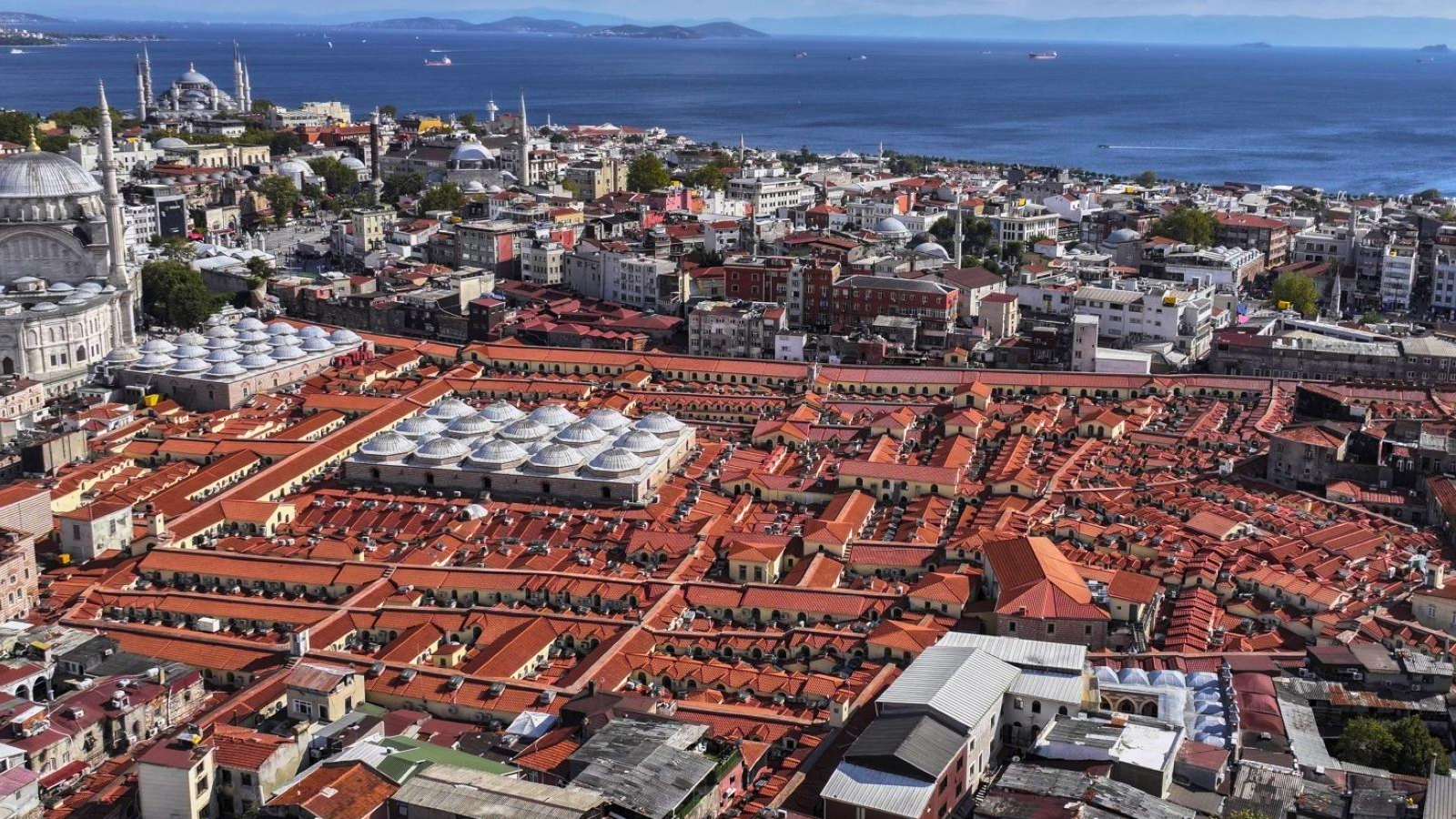
Istanbul Grand Bazaar is one of the most iconic places to visit in the historic heart of the city. Located near Sultanahmet, this legendary covered market has brought together centuries of trade, craftsmanship, culture, and everyday life under one historic roof.
For travelers staying on the Historic Peninsula, the Grand Bazaar is an essential stop. Guests planning a cultural route can explore nearby historical attractions with the help of the Istanbul Sultanahmet Travel Guide or choose to stay at the centrally located Byzantium Hotel Sultanahmet for convenient walking access to the area.
What Makes the Grand Bazaar So Special?
Known locally as Kapalıçarşı, the Grand Bazaar is far more than a shopping destination. Dating back to the 15th century, it is one of the oldest and largest covered markets in the world. Built shortly after the Ottoman conquest of Istanbul, the bazaar quickly became a central part of the empire’s commercial life.
Over the centuries, merchants, artisans, jewelers, carpet sellers, spice traders, and master craftsmen filled its streets with goods arriving from Anatolia, the Middle East, the Balkans, and beyond. Today, visitors can still feel this layered commercial history while walking through the bazaar’s vaulted corridors.
Unlike modern shopping malls, the Grand Bazaar has the character of a living historical district. Every shopfront, arch, courtyard, and passage reflects Istanbul’s identity as a city connecting continents.
A Brief History of the Grand Bazaar
The origins of the Grand Bazaar date back to the reign of Sultan Mehmed II, also known as Mehmed the Conqueror. Following the conquest of 1453, the Ottomans began reshaping the city as their imperial capital. A covered market was established to support trade, generate income, and organize commercial activity around the new Ottoman center.
The original core of the bazaar was known as a “bedesten,” a secure indoor marketplace where valuable goods such as textiles, jewelry, and precious objects were traded. Over time, additional streets, inns, workshops, and domed passages were added. This expansion transformed the market into a vast commercial labyrinth.
For centuries, the Grand Bazaar was not simply a place for buying and selling. It was also where money changed hands, artisans trained apprentices, trade routes connected cultures, and the economic pulse of Istanbul could be felt.
Where Is the Grand Bazaar Located?
The Grand Bazaar is located on Istanbul’s historic peninsula, within walking distance of Sultanahmet, Beyazıt, and Çemberlitaş. Its location makes it easy to combine a visit with other major attractions such as Hagia Sophia, the Blue Mosque, Basilica Cistern, and Topkapi Palace.
For visitors staying around Sultanahmet, reaching the Grand Bazaar on foot or by tram is very convenient. This is why choosing accommodation on the Historic Peninsula can make a major difference. If you are comparing the best places to stay in Sultanahmet Istanbul, proximity to landmarks such as the Grand Bazaar should be one of your key considerations.
What Can You Buy at the Grand Bazaar?
The Grand Bazaar offers an enormous variety of products. While some shops focus on tourist souvenirs, many others continue long-established traditions of craftsmanship.
Turkish Carpets and Kilims
Carpets are among the most famous products in the Grand Bazaar. Turkish carpets and kilims are known for their patterns, colors, weaving techniques, and regional identities. Some are handmade using traditional methods, while others are more decorative and affordable.
If you are interested in buying a carpet, take your time. Ask about the material, origin, weaving style, and production method. A knowledgeable seller should be able to explain the differences between wool, silk, cotton, hand-knotted, and machine-made pieces.
Jewelry and Gold
The Grand Bazaar has long been associated with gold and jewelry. Many shops display rings, bracelets, necklaces, Ottoman-inspired designs, and modern pieces. The jewelry section is especially vibrant, with windows filled with gold, silver, gemstones, and handcrafted accessories.
Prices can vary depending on weight, craftsmanship, and material quality. If you are planning to purchase valuable jewelry, compare several shops before making a decision.
Ceramics and Turkish Tiles
Colorful ceramics are another highlight of the bazaar. Inspired by İznik tile traditions, plates, bowls, cups, and decorative objects often feature floral motifs, tulips, carnations, and geometric patterns.
They make excellent souvenirs because they are both practical and decorative while also reflecting the artistic heritage of Ottoman design.
Leather Goods
Leather jackets, bags, belts, and wallets are widely available throughout the Grand Bazaar. Istanbul has a strong leatherworking tradition, and many shops offer both classic and contemporary styles.
As with carpets and jewelry, quality can vary. Before buying, check the stitching, material texture, lining, zippers, and overall workmanship.
Spices, Tea, and Turkish Delight
Although the Spice Bazaar is more famous for food products, the Grand Bazaar also has shops selling Turkish delight, herbal teas, coffee, spices, nuts, and sweets. These are easy-to-carry gifts and a delicious way to bring the flavors of Istanbul home.
How to Explore the Grand Bazaar
The Grand Bazaar can feel overwhelming at first. Its streets are busy, colorful, and constantly moving. The best way to enjoy it is not to rush. Instead of seeing it only as a shopping stop, experience it as a historical journey.
- Enter through one of the main gates and make a note of your entrance point.
- Walk slowly through different sections before buying anything.
- Compare prices and product quality between shops.
- Look up at the ceilings, arches, and historical details.
- Allow time for tea, conversation, and simply observing the surroundings.
Many visitors focus only on the products and overlook the architectural atmosphere. The beauty of the Grand Bazaar can also be found in its domes, passages, courtyards, and small details that reveal centuries of urban life.
Bargaining at the Grand Bazaar
Bargaining is part of the Grand Bazaar experience. In many shops, especially those selling carpets, leather goods, souvenirs, and decorative products, the first price offered is usually not the final price. Negotiation should remain friendly, respectful, and relaxed.
Good bargaining is not about applying pressure. It is simply a conversation. Smile, ask questions, show genuine interest, and be prepared to walk away politely if the price does not suit your budget.
Practical Bargaining Tips
- Do not immediately accept the first price offered.
- Compare similar products in different shops.
- Decide on your maximum budget before negotiating.
- Remain polite even if you decide not to buy.
- Remember that handmade products deserve a fair price.
Best Time to Visit the Grand Bazaar
The Grand Bazaar is usually busiest in the afternoon, especially during peak tourism seasons. If you prefer a quieter experience, visit in the morning shortly after opening. The corridors are calmer, shopkeepers are more relaxed, and you can explore without the pressure of heavy crowds.
Late afternoon can also be atmospheric, although some sections may feel busier. If you want enough time to compare shops and fully enjoy the experience, avoid arriving too close to closing time.
How Much Time Do You Need?
If you only want a quick walk through the Grand Bazaar, one hour may be enough. However, a richer visit usually requires at least two to three hours. This gives you time to explore different sections, compare products, take photographs, drink tea, and absorb the atmosphere.
Travelers interested in carpets, jewelry, or antiques may easily spend half a day here. The bazaar rewards curiosity, and many of its most memorable corners are discovered by wandering beyond the main routes.
Grand Bazaar and Sultanahmet Travel Route
The Grand Bazaar fits naturally into a Sultanahmet itinerary. You can start the day with Hagia Sophia, the Blue Mosque, and Basilica Cistern, then continue toward Çemberlitaş and the Grand Bazaar. This route allows you to move from sacred architecture to commercial history within a single walkable journey.
For a complete Historic Peninsula plan, our Istanbul Sultanahmet Travel Guide can help you organize nearby landmarks, walking routes, and cultural stops more efficiently.
Why Stay Near the Grand Bazaar?
Staying near the Grand Bazaar gives travelers greater flexibility. Instead of rushing through the market, you can explore it at a comfortable pace, return to your hotel for a rest, and continue sightseeing later in the day.
A centrally located hotel in Sultanahmet also makes it easier to reach other attractions without spending long periods in transportation. Byzantium Hotel Sultanahmet provides a comfortable base for travelers who want to stay close to Istanbul’s historic landmarks, including the Grand Bazaar, Hagia Sophia, Topkapi Palace, and Basilica Cistern.
Is the Grand Bazaar Worth Visiting?
Yes, the Grand Bazaar is definitely worth visiting even if you do not plan to shop. It is one of the rare places where history, trade, architecture, and local culture continue to exist together in an active environment.
For shoppers, it offers carpets, jewelry, ceramics, leather goods, textiles, spices, and souvenirs. For history lovers, it tells the story of Ottoman commerce. For photographers, it offers color, texture, light, and movement. For curious travelers, it provides one of Istanbul’s most authentic sensory experiences.
Helpful Tips Before You Go
- Wear comfortable shoes because you will be walking a lot.
- Carry some cash even though many shops accept cards.
- Keep an eye on your belongings in crowded areas.
- Ask permission before taking close-up photographs inside shops.
- Do not feel pressured to buy immediately.
- Take note of gate names or nearby landmarks so you can find your way more easily.
The Grand Bazaar as a Living Symbol of Istanbul
The Grand Bazaar remains one of the strongest symbols of Istanbul’s identity. It reflects the city’s role as a meeting point between East and West, past and present, tradition and modern tourism.
Every corridor has a different rhythm. One street may glitter with gold, another may glow with colorful lamps, while another may carry the scent of leather, tea, or spices. This layered atmosphere turns the bazaar into much more than a marketplace.
For anyone visiting Sultanahmet, the Grand Bazaar should never be seen as a simple shopping stop. It is a historical experience, a cultural encounter, and a reminder of Istanbul’s centuries-old commercial spirit.
Contact Information
We are happy to assist you with your reservation.
Related Posts
Experience Timeless Elegance in Sultanahmet
Stay at The Byzantium Hotel & Suites, located just steps from Hagia Sophia, Blue Mosque, and Topkapi Palace. Discover comfort, luxury, and authentic Istanbul charm.